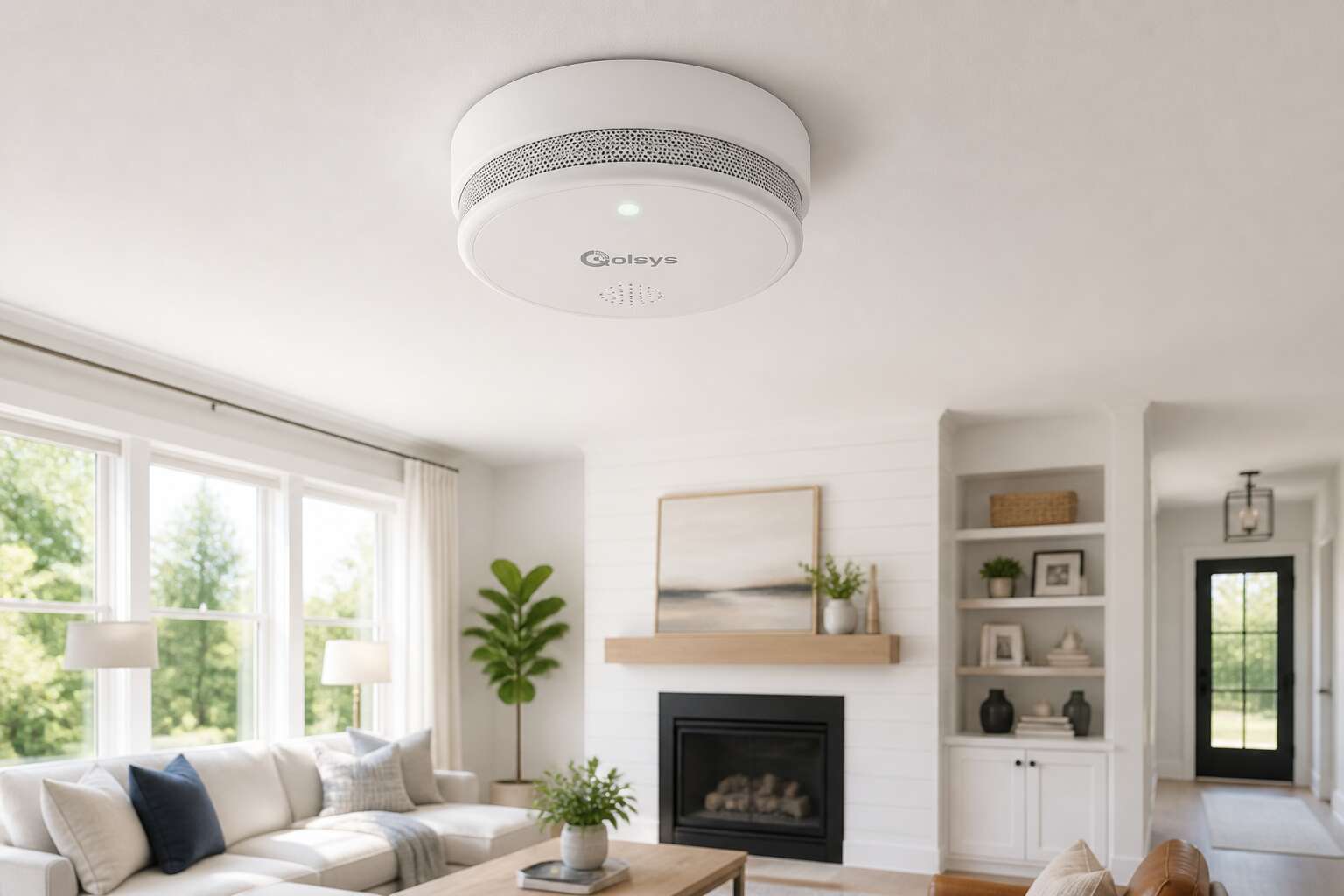
Understanding Qolsys Smoke Detection Technology
How Qolsys Smoke Detectors Work
Most smoke detectors rely on a single sensing method, but the smoke detector qolsys employs a dual approach. Photoelectric sensors respond to smouldering fires, while the thermal element catches rapid flare-ups. This combination reduces false alarms from cooking steam.
The device communicates wirelessly with the Qolsys IQ Panel. It sends a distinct signal for smoke versus heat, allowing the system to distinguish a real emergency from a nuisance trigger. The encrypted frequency hops across the 433 MHz band, so interference from household devices rarely disrupts the link.
The smoke detector qolsys also sets itself apart through:
- Continuous self-testing of the sensor chamber every 30 seconds
- A low power draw that extends battery life beyond a decade
- An embedded 85 dB siren in the unit itself
The result is a detector that watches for fire and for the conditions that precede it.
Key Sensors and Detection Methods
Fire dynamics shift with environment. A smouldering cable in a ceiling void behaves differently from a fast-flaming stove top. The smoke detector qolsys interprets these variations using three distinct cues: photoelectric light scatter, thermal rate-of-rise sensing, and absolute heat threshold monitoring.
Here is the intriguing part. The photoelectric chamber uses an angled infrared LED that only detects reflective particles. That means it ignores transparent steam or dust. The thermal sensor, meanwhile, tracks temperature change over time, not just peaks. A rise of 6 to 9 degrees Celsius per minute triggers a quicker alarm than a slow climb.
- Light scatter: identifies visible smoke particles from slow-burning fires.
- Rate-of-rise: catches rapid heat surges.
- Absolute threshold: responds only when temperature crosses a fixed limit.
These signals are cross-checked by the panel’s firmware. This method reduces random nuisance alerts while still catching true emergencies.
Compatibility with Qolsys IQ Panels
The smoke detector qolsys speaks a language called PowerG. This frequency-hopping protocol forms the backbone of its link to Qolsys IQ Panels. Without that link, the sensor’s intelligence remains inert.
Pairing requires enrolling the detector through the panel’s wireless settings. The IQ Panel 2 and IQ Panel 4 both recognise the device natively. Once enrolled, two-way encrypted communication begins. The panel sends supervisory heartbeats every few minutes. The detector answers with status updates. This exchange verifies battery health and sensor integrity.
The range extends beyond typical household limits. A single PowerG network can span 2 kilometres in open air. Walls and concrete reduce that distance, but signal reinforcement maintains reliability. South African installers favour this pairing for stable response in large properties.
Traditional detectors broadcast one-way signals without confirmation. The smoke detector qolsys expects a reply.
Wireless Communication Protocols Explained
Frequency hopping spread spectrum sounds like a mouthful. It is the reason the smoke detector qolsys stays calm when your neighbour’s Wi‑Fi or garage remote occupies the same radio space. PowerG divides its signal across 80 channels, switching up to 200 times per second. When one channel collides with interference, the next hop sidesteps it. False alarms and missed signals become rare.
The protocol compresses its data payloads. A status update travels in milliseconds, preserving battery life. AES-128 encryption protects the exchange between detector and panel.
In South African suburbs, radio congestion is a real problem. A dozen homes within a hundred metres share unlicensed spectrum. The smoke detector qolsys side-steps this chatter by design. Reliable detection should not depend on whether the neighbour’s smart TV is streaming. PowerG technology ensures it does not.
Installation and Setup for Qolsys Smoke Alarms
Pre-Installation Planning and Placement Tips
Positioning a smoke detector qolsys unit begins long before picking up a screwdriver. South African homes with pitched roofs, ceiling fans, or open-plan living spaces each demand different placement strategies. A unit near a bathroom door will trigger from steam, while one in a corner dead zone may never sound when it should.
Pair the smoke detector qolsys unit with your IQ panel before final mounting. This allows you to verify signal strength while the unit is still within reach and adjust position if the panel reports a weak connection.
- Keep detectors at least 300 mm from walls and light fittings
- Mount on the ceiling, not the wall, wherever possible
- Avoid areas directly above stoves or kettles in smaller kitchens
The mounting bracket rotates into place with a quarter turn, and the detector clicks in securely once alignment is confirmed. Test with the built-in button after installation, then again after thirty days to confirm the wireless link remains stable.
Step-by-Step Mounting Instructions
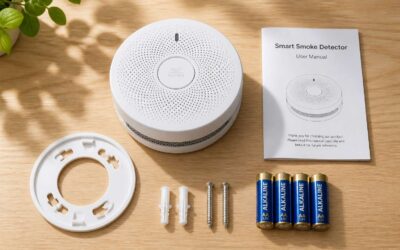
Mounting the smoke detector qolsys unit is a matter of precision, not force. The backplate screws directly into the ceiling using the supplied anchors, which hold firmly in standard South African concrete or timber rafters. Align the bracket’s keyhole slots before driving the screws home, then rotate the plate a quarter turn until it seats flush against the surface.
Press the detector onto the plate until the latch engages. A solid click tells you the smoke detector qolsys is properly seated, and the LED gives a brief red flash. On your IQ panel, open Devices and choose Add Sensor, then scan the QR code or punch in the 7-digit ID. Wait for the enrolment chime to confirm the panel recognises the unit. If the signal bars hover below three, shift the detector to a fresh spot rather than accepting a marginal link.
- Secure the backplate with both provided screws
- Rotate the detector clockwise into the locked position
- Confirm the LED flashes green during the pairing process
Pairing the Detector with Your Qolsys Hub
One soft chime is all it takes for the smoke detector qolsys and your IQ hub to acknowledge each other. Pairing takes seconds, but the connection must be permanent. On the IQ panel, open Devices and choose Add Sensor. Scan the QR code or enter the seven digit ID. The enrolment chime confirms recognition. If the signal bars dip below three, relocate the detector rather than accepting a fragile link.
Follow this sequence for reliable pairing:
- Press the test button to wake the unit.
- Let the hub complete its scan.
- Watch for the green LED flash.
A steady green light means the device has joined your security network with full integrity.
Configuring Alerts and Smart Notifications
Fire spreads through a substructure faster than a text message, yet the smoke detector qolsys narrows that gap. Once the alarm snaps into its base, the IQ panel becomes the translator of danger. In the Alarm.com app, notification rules deserve more care than the mounting screw. Assign separate behaviours for each event type, from an immediate phone call to a quiet log entry.
To shape those interactions, open the panel’s notification menu:
- Select the smoke sensor.
- Mark push for verified alarms.
- Add an email backup.
The smoke detector qolsys speaks once to the hub, and the hub repeats the message across your devices. Press the test button and watch your phone light up within seconds. Tune the chime volume, set quiet hours, and let each configured alert become a daily assurance. Installation ends when the notification path works without delay.
Performing a Full System Test
The smoke detector qolsys demands more than a single button press on installation day. A full system test replicates the conditions of an actual emergency, without the smoke. South African homeowners often discover that sensor placement and signal strength interact differently than expected.
Test each detector individually first. Hold the test button until the siren sounds, then time the panel response. The IQ hub should announce the zone within seconds. Walk away from the detector while pressing test to verify radio range across walls.
- Trigger each smoke detector qolsys in turn
- Confirm the alarm sound reaches every bedroom
- Verify the panel identifies the correct sensor name
- Check that push notifications arrive on all paired phones
Repeat the full exercise during load shedding, when backup batteries carry the smoke detector qolsys system. A detector that passes at noon may fail when the inverter dips. Schedule these drills quarterly and log the results.
Integrating Smoke Detection with Your Smart Home Security
Linking Smoke Alarms to Your Qolsys Security System
In South Africa, average emergency response times stretch past 20 minutes in some municipalities. A smoke detector qolsys links your smoke alarms to the Qolsys security system, changing how your home reacts. The moment one sensor detects smoke, the panel sends alerts to every connected device. This coordination prevents confusion during critical moments.
Your entire household receives the same information simultaneously. The system can also activate lights or unlock doors through your existing smart home setup. This integration reduces reliance on a single audible siren. Every floor, every corridor, and every bedroom becomes part of a unified safety network.
This integration coordinates all fire safety responses in your residence.
Automating Responses with Z-Wave and IFTTT
The house holds its breath until a whisper of smoke breaks the stillness. A smoke detector qolsys speaks to your smart home through Z-Wave, and that silence shatters into orchestrated action. Lights blaze in every passage. The garage door swings open. Your phone trembles with the alarm, even while you are kilometres away.
IFTTT extends this network into your digital life. One trigger, the faintest particle of combustion, sets off a chain of events no single siren could manage. Every connected device becomes a sentinel. Consider what you can automate:
- Turning on exterior lights to guide fire services to your property
- Unlocking internal doors so no pathway becomes a dead end
- Sending a notification to your security estate’s control room
This automation does not exist for convenience. It exists for survival, layered into the rhythm of your home. In South Africa, where response times stretch thin, the smoke detector qolsys becomes the first voice in that urgent chorus.
Combining Smoke Sensors with Other Safety Devices
A single smoke detector qolsys protects one room, not an entire home. The corridor remains unguarded, the roof void stays silent, the living area is left exposed. A complete safety network changes that outcome.
Integrating smoke detection with your smart home security means connecting the smoke detector qolsys to devices that sense other threats. Water leak monitors placed near the geyser, carbon monoxide detectors in bedrooms, and motion sensors along passageways each provide contextual information to the Qolsys IQ panel.
- Closing the main water valve the moment a leak appears
- Dropping automated blinds to give fire services a clear sightline
- Releasing magnetic locks on emergency exits
The alarm panel becomes a decision-maker, interpreting triggers in sequence. For South African homes, where response time is critical, this vigilance matters most.
Enhancing Whole-Home Safety with Scenes and Rules
Emergency response in South Africa averages 15 to 20 minutes in metro areas, which is an eternity when smoke spreads through a home. Your smoke detector qolsys can bridge that gap, but only when paired with the scene and rule engine inside the Qolsys IQ panel.
Scenes bundle lighting, locks, and siren behavior into one command. A smoke event sets the porch lights flashing, opens the garage door for an exit route, and directs the indoor siren to pulse in a pattern that distinguishes fire from a burglary alarm.
Rules add the dimension of context. A curfew rule checks the time before triggering high-volume alerts. A geofence rule adjusts response based on whether any household member is present. The panel considers each variable and selects the appropriate response.
Troubleshooting and Maintaining Your Qolsys Smoke Detector
Common Issues and Quick Fixes
We’ve all seen that blinking red light at 3 AM, wondering if it’s a real fire or just a stubborn sensor. The truth about any smoke detector, including the smoke detector qolsys offers, is that maintenance is where most homeowners stumble. False alarms often stem from accumulated dust, which confuses the optical chamber. A gentle vacuum on the vents every few months usually resolves this, but avoid using cleaning sprays near the unit.
Battery life remains a pivotal concern. The Qolsys system is designed for longevity, yet environmental factors like extreme temperature swings in a Pretoria summer can reduce it. When you see a low battery notification on your IQ panel, address it promptly. Ignoring it leads to a failure in system communication. The panel will eventually force a trouble condition, which disarms the entire security integration. That is a security hole you do not want to live with.
Connectivity can also drift over time. If your sensors are unresponsive:
1. Check the signal strength from the panel’s diagnostic page.
2. Move the detector closer to the hub to rule out interference.
3. Reseat the device by removing the battery for ten seconds.
Most glitches are temporary. The software logic of your smoke detector qolsys unit prefers a clean shutdown and reboot. Regularly testing the alarm function, not just through the panel but physically, ensures the siren and the Z-Wave chip are both operational. A silent alarm is a useless one. Keeping the firmware updated on the hub also smooths out intermittent radio chatter.
Managing Battery Life and Low-Battery Warnings
Low-battery warnings from your smoke detector qolsys unit are easy to dismiss, but I have seen the consequences of ignoring them. A depleted cell compromises both the siren and the Z-Wave communication chip. Replacing the battery is straightforward, yet you must power down the sensor first to prevent voltage spikes.
In South African summers, heat accelerates chemical drain, so check the panel’s diagnostic readings regularly. The IQ panel displays voltage and signal strength, giving you the data to anticipate failures. Handle notifications before the system forces a trouble condition, which disarms the entire security setup. A proactive approach keeps your smoke detector qolsys sensor responsive and your home protected.
Reducing False Alarms and Sensor Sensitivity
False alarms are the leading reason homeowners disconnect a smoke detector qolsys sensor entirely. In South Africa, Highveld dust and coastal humidity create conditions that confuse optical sensors. I have seen the same unit trigger repeatedly in a Pretoria home due to a single gecko seeking warmth near the vent.
- Clean the sensor chamber every three months with a soft brush.
- Adjust sensitivity through the IQ panel’s device settings.
- Check the sensor’s position relative to kitchen steam or bathroom moisture.
Sensor sensitivity should be matched to the room’s actual risk profile. A detector over a stove needs different calibration than one in a passage. The Qolsys IQ panel allows per-device adjustment, but many owners never touch these settings. Regular testing combined with these adjustments reduces nuisance alerts while keeping the smoke detector qolsys responsive to genuine threats.
Cleaning and Long-Term Maintenance Practices
Every fire safety system has a service life, and the smoke detector qolsys demands more than a yearly battery swap. In South Africa, the same conditions that make our homes beautiful also accelerate sensor degradation. Harmattan dust, Highveld thunderstorms, and coastal humidity each leave their mark on the device’s internal components. I have opened units that looked pristine on the outside but carried a thick film of grime inside the detection chamber.
Long term care centres on a few non negotiable practices:
- Blow out the sensor chamber with compressed air during each season change.
- Wipe the casing with a dry microfiber cloth to prevent static buildup.
- Record the installation date on the device label itself.
The ten year replacement mark is not a suggestion for your smoke detector qolsys. Optical emitters lose intensity, and the ionization element, if present, depletes over time. A smoke detector qolsys that passes a test today gives no guarantee for next season. Routine physical inspection catches what panel diagnostics cannot.
Choosing the Right Qolsys Smoke Detector for Your Home
Comparing Available Models and Price Points
Most home fire deaths happen in residences with no working alarms, which makes your smoke detector qolsys selection more than a shopping decision. The lineup from Qolsys splits into two main tiers. Entry level detectors offer reliable basic protection and comfortable price points, usually between R400 and R600. Premium versions add adjustable sensitivity and advanced integration with your smart home system, climbing to R1,200 or more for the fully equipped unit!
- Entry level: R400 to R600
- Mid tier with sensitivity dial: R650 to R900
- Premium with smart integration: R1,200 and up
South African suppliers frequently bundle these devices with installation. Some quote including the base station, which inflates the total dramatically. Others sell standalone units that work with your existing Qolsys hub. The gap between entry level and premium pricing narrows when you buy multiple units for a larger house.
Key Features to Look For in a Smart Smoke Alarm
When you narrow down the field, the right smoke detector qolsys hinges on how it fits your daily routine. Smart models earn their price by filtering nuisance alarms and talking to your existing security panel. A basic unit might suffice for a flat, but a two-storey home demands multiple devices with centralised status.
The features that separate a workhorse from a gadget:
- Photoelectric sensor with heat detection
- Z-Wave Plus for dependable pairing
- Adjustable sensitivity to reduce false triggers
- Built-in siren loud enough for deep sleepers
- Low-battery reporting to the hub
Battery health alerts and app clarity determine whether you actually interact with the system. A detector that communicates its own status saves you from climbing ladders every week, and the price per square metre becomes the true metric.
Professional Installation vs DIY Setup
Every smoke detector qolsys performs flawlessly on paper, until real-world conditions intervene. The choice between professional installation and a DIY setup in South Africa hinges on more than cost; it depends on how well you understand your own walls. Load shedding complicates wireless signals, and a sensor placed near an inverter can suffer constant interference. Certified technicians map the Z-Wave mesh properly. DIY owners must learn those lessons themselves.
Consider this:
- Professional installation includes synchronisation with your existing Qolsys panel
- DIY keeps your budget intact but demands methodical testing
Either route can deliver reliable protection, provided the smoke detector qolsys is installed as a permanent safety layer.
Warranty Coverage and Customer Support Options
A home safety investment is only as strong as the promise behind it. Warranty coverage for a smoke detector qolsys unit often becomes the quiet safety net you never think about until a fault appears. In South Africa, where voltage fluctuations and grid instability are common, the electronic components inside these detectors face unique stress. A standard twelve month warranty might cover manufacturing defects, but you need to verify if it extends to power surge damage. This distinction is critical for local homeowners relying on backup systems that can send irregular power back into the mains.
Customer support options vary widely between distributors. Some offer a dedicated technical line that actually answers on the first call. Others default to email chains that stretch for days. When you are protecting a family, response speed matters as much as the hardware itself. Look for suppliers that stock local replacements for the smoke detector qolsys models they sell. Importing a replacement unit can take weeks, leaving a dangerous gap in your coverage. The best support networks will guide you through troubleshooting over the phone, potentially saving you an unnecessary service call. Consider these core factors before purchasing:
– The length of the warranty period and what exactly it excludes
– Whether the warranty covers both the sensor and the wireless communication module
– The location of the support centre relative to your province
A robust warranty should also protect the Z-Wave mesh connectivity that links your detectors. This communication layer is the brain of the system. If the mesh fails, the sensor may still detect smoke but never relay the alarm to your Qolsys panel. Ensure your support documentation clearly states who handles connectivity issues. Ask if the warranty includes a reconfiguration service after a major firmware update. This proactive approach safeguards your initial investment and ensures your entire ecosystem remains responsive for years to come.


0 Comments