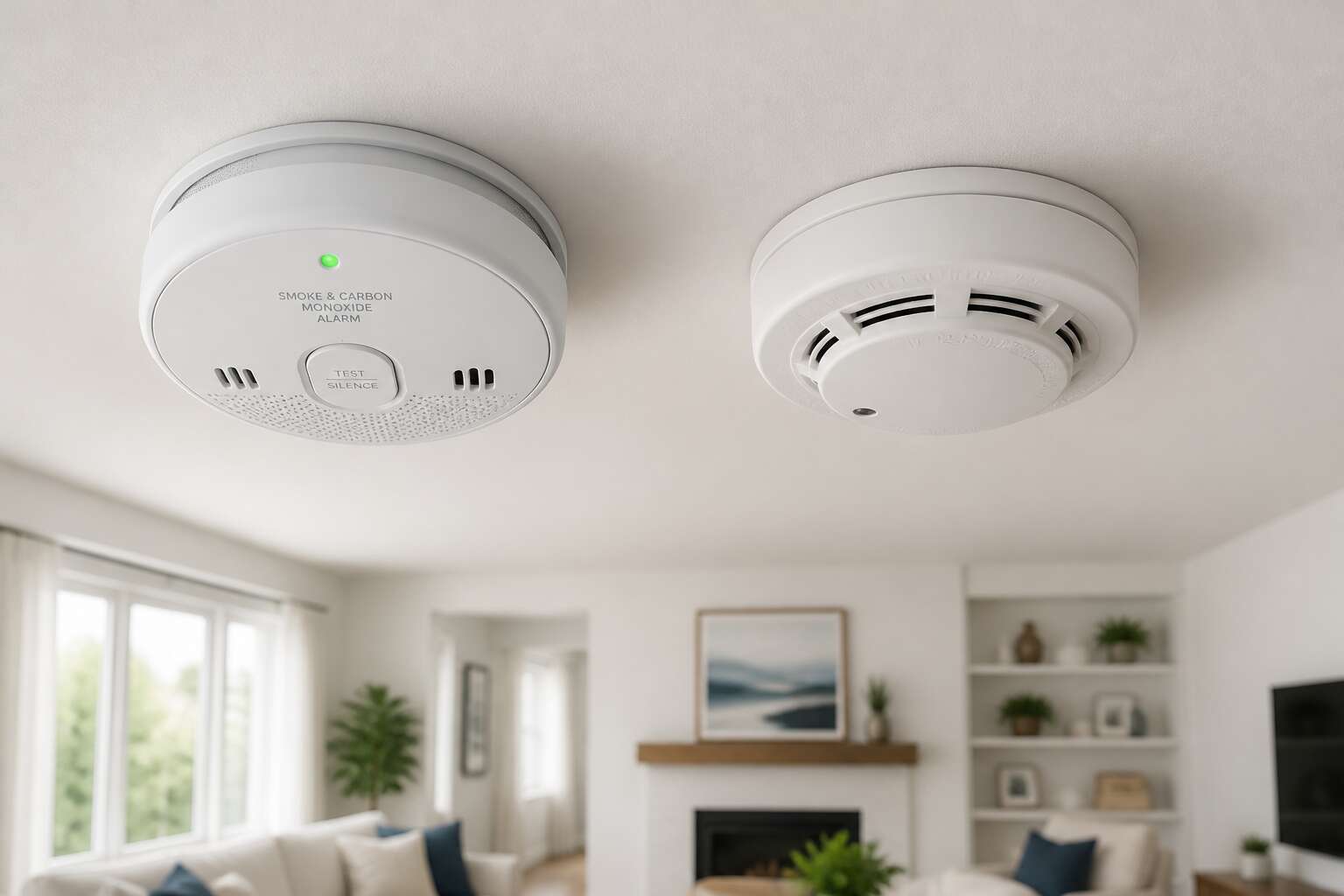
Understanding Smoke Detectors
Understanding smoke detectors is about knowing what they actually do. These devices sense particles of combustion, often using ionization or photoelectric technology. Ionization detectors respond faster to flaming fires, while photoelectric ones catch smoldering blazes.
I remember installing my first smoke detector! The process felt simple, but the choices were not. Here are the common types you will find in South African stores:
- Ionization smoke alarms
- Photoelectric smoke alarms
- Dual sensor smoke alarms
Each type serves a different fire scenario. Your home might need multiple units. However, smoke detector vs combo carbon monoxide becomes a real question when you consider gas leaks. A smoke detector alone will not alert you to carbon monoxide. That gap matters for safety.
Understanding Carbon Monoxide Detectors
Carbon monoxide claims over a hundred lives in South Africa each year, yet most homes rely solely on a smoke detector. Our fear of fire is tangible, loud, and dramatic. The poison that floods your blood without warning is harder to grasp. That is why we ignore it. Load shedding makes generators a common fixture, and each one is a potential source of CO.
Understanding the smoke detector vs combo carbon monoxide dilemma starts with this: a standard unit cannot detect the invisible gas. A combo alarm uses an electrochemical sensor to measure CO levels over time. It distinguishes between a deadly spike and a harmless low reading. Consider what you truly need.
- Sensor accuracy for slow leaks
- Digital display for real time ppm
- Interconnectivity with other alarms
The psychological barrier remains. We accept what we can see. But your body cannot see CO, and neither can your existing detector. The choice is not about gadgetry. It is about accepting the limits of your own perception.
Key Differences Between Standalone and Combo Units
The smoke detector vs combo carbon monoxide decision shapes how you protect your home. A standalone unit only detects smoke. A combo unit detects both smoke and carbon monoxide. I have installed both types in my own house. The difference is significant!
Consider what each device offers:
- A standalone smoke detector responds to fire particles but ignores carbon monoxide.
- A combo carbon monoxide detector combines smoke sensing with CO detection for wider coverage.
That wider coverage costs more money. Yet it saves you from mounting two separate alarms on every ceiling. The real difference is vigilance. Standalone units focus on one threat. Combo units handle two threats at once, though combo sensors can lose sensitivity as they age.
Factors to Consider When Choosing
The first thing to consider in the smoke detector vs combo carbon monoxide debate is the source of danger. A standard smoke detector responds to visible fire and smoke particles. However, a combination unit also senses carbon monoxide, an invisible and odourless gas. In a South African home, where a geyser or a paraffin heater might malfunction, that difference is critical.
Price is another major factor that often tips the scales. Standalone smoke detectors are generally cheaper to purchase upfront. A combination alarm costs more, but it consolidates two essential safety functions into one device, which is a significant value proposition. Installation also plays a role in your decision. A combo unit usually requires a single point on the ceiling, saving you the trouble of wiring two separate systems.
– It simplifies emergency response with one clear alarm.
– It covers gas leaks from faulty appliances.
– It requires less wall or ceiling space.
The choice ultimately hinges on your specific living situation. A combo unit offers comprehensive protection overnight, while a single smoke detector leaves a critical gap in your safety net. You must weigh the initial cost against the long-term peace of mind that comes from monitoring both threats simultaneously.
Installation and Placement Tips
The eternal domestic dilemma of smoke detector vs combo carbon monoxide is often settled in the hardware aisle, but the true test happens on your ceiling. Placement reveals the quality of your decision. A lone smoke detector will wail at braai smoke while a combo unit at least assesses the air more thoughtfully. Keep these devices at least three metres from the stove, or every dinner becomes an alarm drill.
For bedrooms, the hallway ceiling is the correct address. Mount the unit high because smoke rises, but remember that carbon monoxide mixes evenly with the air and drifts through corridors. That is why the smoke detector vs combo carbon monoxide choice matters most where people sleep. In South African homes, load shedding often means closed windows and a generator humming nearby, precisely when a combo detector proves its worth.
Making the Final Decision
Every South African homeowner faces a quiet dilemma at the hardware store. The smoke detector vs combo carbon monoxide decision feels trivial until you remember that summer thunderstorms often knock out power lines. Load shedding brings generators and braai fires, and both produce carbon monoxide. A single smoke detector catches flames, but it cannot detect that invisible gas. The combo unit handles both scenarios. This choice depends on your living habits, not on price.
I have seen too many families install separate devices and still miss the danger entirely. The cost difference is modest. Installation is nearly identical. The real question is how you want your family to wake up in an emergency.
Consider your specific situation:
- Do you use a gas geyser?
- Does anyone sleep with a heater running?
- Is your braai area close to open windows?
These factors should steer your decision between a smoke detector vs combo carbon monoxide. When alarm fatigue sets in after a false trigger, you will appreciate having made the right call.




0 Comments