Understanding the Importance of Regular Smoke Alarm Checks
The Role of Smoke Detectors in Home Safety
According to the Fire Protection Association of Southern Africa, a working smoke alarm cuts the risk of dying in a home fire by more than half. That sound is the difference between a close call and a tragedy!
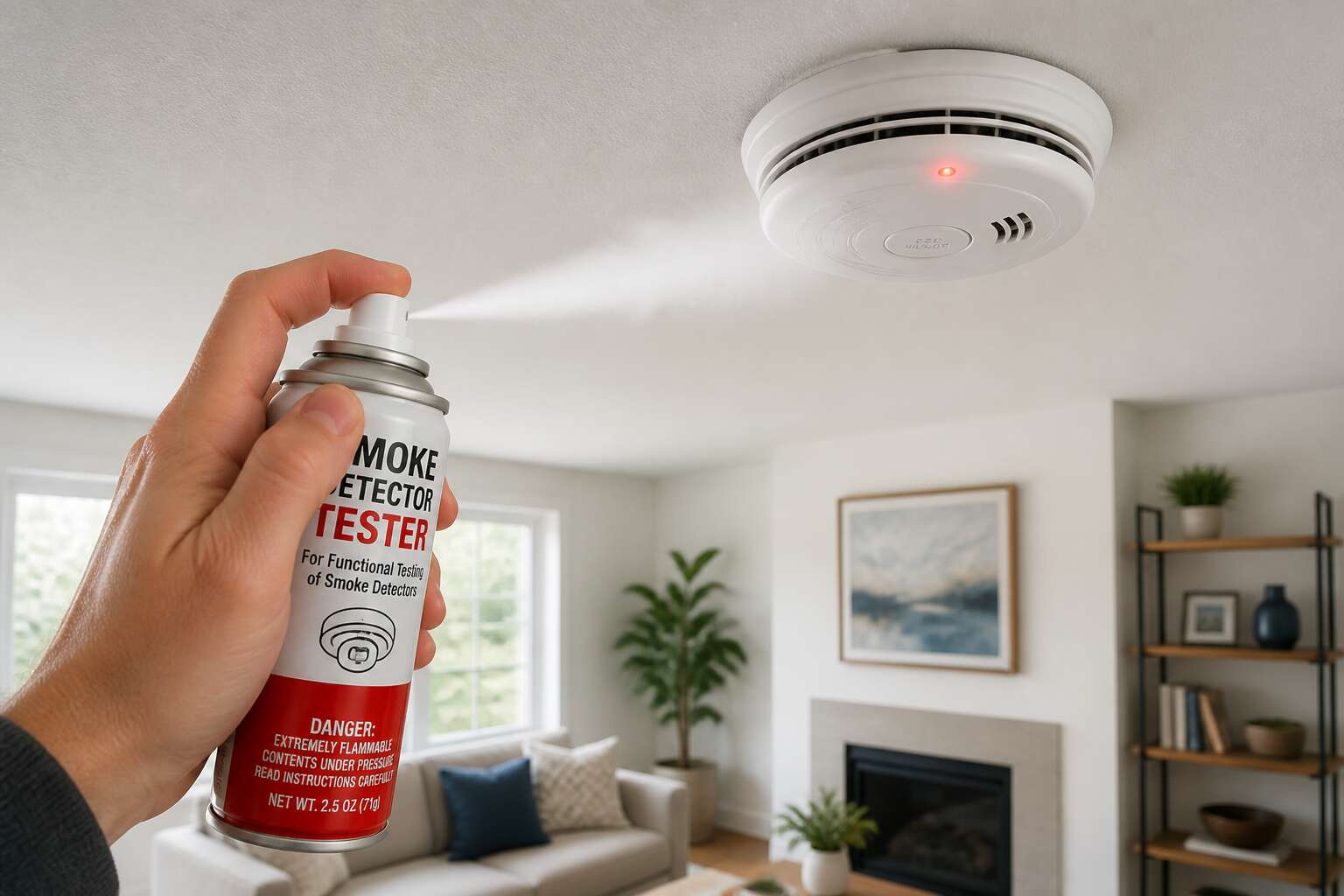
Routine checks go beyond pressing the test button. To confirm the sensor actually detects smoke particles, you need a smoke detector testing kit. These kits release a safe aerosol that mimics real fire conditions. Many units fail silently, either from depleted batteries or sensors clogged with dust.
What a proper check should cover:
- Examining the unit for corrosion or physical damage
- Using a smoke detector testing kit to verify sensor response
- Cleaning the vents to allow airflow
Without this discipline, the device cannot fulfill its purpose. Its protective role in your household depends entirely on regular verification. An untested detector is a guess, not a safeguard.
Consequences of Neglecting Routine Tests
The silence after a false alarm is oddly soothing. But the silence that follows a detector’s failure is a different sound entirely. In South Africa, routine checks often fall to the homeowner. Using a smoke detector testing kit confirms the sensor responds to real combustion particles, unlike a mere button press. Neglecting these tests is a quiet gamble.
A detector that cannot sense smoke is decoration. When fire spreads, every second of unrecognised danger compounds the risk. The consequences of skipping routine tests emerge inside a burning room, where a device should have screamed but stayed mute. Regular verification is an admission that certainty takes effort. Without it, the unit remains an unverified assumption.
What accumulates inside the unit:
- Dust films over the sensor chamber
- Corrosion from humid coastal air
- Insect debris blocking the vents
A smoke detector testing kit strips away these uncertainties. It exposes the mechanical truth before smoke does. That moment of proof is the difference between hope and preparedness.
What to Look for in a Comprehensive Test Kit
Essential Components and Accessories
The silence before a fire is deceptive. A functioning alarm interrupts it, but only if the test proves it works. A smoke detector testing kit must include more than a canister of aerosol. Look for a kit that offers a real understanding of your device’s limits.
The best kits cover the essentials without excess! The test aerosol should mimic the particle size of actual smoke, not a chemical puff. A telescopic applicator reaches high ceilings without a ladder. A sensitivity meter measures the detector’s response threshold over time, revealing degradation before it becomes a hidden liability.
Here is what separates a thorough kit from a token gesture:
- An aerosol matched to the detector type, ionisation or photoelectric
- A spray length indicator, so you know when the canister is nearly empty
- A cleaning tool for sensor chambers
A comprehensive smoke detector testing kit also includes a log card for results and a carrying case. You are not just pressing a button. You are verifying that a mechanical voice will speak when it matters most.
Comparing Aerosol Testers vs. Magnet Testers
Most fires start with a whisper, not a roar. A magnet tester gives a simple yes or no response, but it never sends real smoke through the sensor. That blind spot can create a false sense of security. An aerosol tester uses a liquid that mirrors combustion particles, forcing the detector to prove it can actually see a threat.
When comparing testers, consider your environment. High ceilings and dusty conditions demand more than a quick magnetic tap. A comprehensive smoke detector testing kit should include:
- An aerosol canister matched to your detector type
- An extension wand with a non conductive handle
- A sensitivity meter to track long term degradation
Magnet testers are cheap and efficient for weekly checks. Aerosol testers, however, deliver the true verdict. For an annual audit, that distinction keeps your family safe.
Reading Certifications and Safety Standards
A certification mark on a smoke detector testing kit carries more weight than a bold marketing claim. South African consumers face a market flooded with import stock, and the distinction between a compliant unit and a poorly manufactured imitation often hides in the fine print. Look for adherence to SANS 10139 or referenced international equivalents, as these standards govern fire detection performance. A test kit that lacks traceable specifications becomes a liability when you need to defend your safety decisions to an insurer or a building inspector.
When you inspect a candidate unit, scrutinize the canister’s chemical composition and its compatibility rating. The aerosol propellant must not leave a residue that attracts dust, as that accumulation degrades the sensor over time. The listed operating temperature range also tells a story; a kit rated for 10°C to 40°C suits most indoor environments but fails in an uninsulated garage. A proper certification will specify the sensitivity threshold in percentage per foot obscuration, which is the language of the fire alarm industry.
Consider the physical build quality of the extension wand and the canister valve. The contract between the actuator and the nozzle must seal tightly to prevent propellant leakage during storage. The sensitivity meter should display readings without requiring a secondary device to interpret the data. Weigh the following factors when you compare products:
– Active ingredients that match photoelectric or ionization detectors
– A shelf life of at least 24 months, printed with an explicit expiry date
– A nozzle design that prevents accidental discharge in a tool bag
That level of scrutiny feels tedious, but it separates a Sunday afternoon test from a certified inspection. Reading the fine print on a smoke detector testing kit is not an exercise in paranoia. It is a due diligence process that gives you the authority to declare a system operational, and that declaration is the only thing standing between you and a catastrophic blind spot.
Portability and Storage Considerations
Packing a smoke detector testing kit that fails under a hot roof cavity or leaks propellant in a drawer is a silent failure. Portability is not just about a comfortable grip. It is about the integrity of the canister’s crimped seal and the resistance of the plastic housing to impact. Store a kit in a humid coastal garage, and condensation can corrode the valve stem. A failed discharge during a routine check gives you nothing but a false sense of security.
The storage temperature range should mirror your environment. A kit that loses pressure below 5°C is a liability for a highveld winter. It is the same problem as a spare tyre. You rarely think about it, but when you need it, the condition is everything. That aerosol can needs to function on the first trigger pull, not after a ten second battle with a sticky actuator.
Consider the carry case as part of the system. A foam insert that holds the wand and canister securely prevents the accidental knocks that cause hairline fractures in the nozzle. The weight should be distributed evenly so you can operate it with one hand while standing on a ladder. Your focus should be on the detector head, not on wrestling with your equipment.
The physical design often reveals the engineering quality. Check for a pressure indicator that gives you a clear visual cue of the canister’s status before you climb. That simple gauge saves you the wasted effort of a climb only to find a depleted unit.
When you assess the overall package, weigh these physical traits:
– A trigger lock mechanism that prevents discharge during transit in a service vehicle
– A flexible extension tube that remains kink-free in a tool bag
– A canister base that resists rust from salt air in coastal towns
The practical reality is that the best certification in the world means nothing if the unit is too awkward to deploy. A smoke detector testing kit only delivers value when it is accessible, pressurised, and ready. The quiet diligence of a well stored kit is what makes the difference between a routine inspection and a postponed one. That postponement is the risk you never see coming.
Budget-Friendly Options vs. Professional-Grade Kits
The difference between a budget smoke detector testing kit and a professional grade unit is a matter of trust measured in pressure loss. A comprehensive kit should hold its discharge force over months of storage, deliver a consistent plume, and tolerate the brutal heat of a Highveld summer. I have watched cheap canisters sputter on the third press, leaving a detector unchallenged and a household exposed.
Build your assessment around these traits:
– A visible pressure gauge that tells you the truth before you climb
– A metered valve that releases a controlled burst each pull
– A replaceable canister so the wand and hose outlive the propellant
Professional grade units justify their price through field endurance. Budget options serve the occasional home tester, but they demand careful storage and frequent verification. In South Africa, where humidity attacks seals and heat thins propellants, the comprehensive smoke detector testing kit you choose must match how often you actually test.
Step-by-Step Guide to Performing a Test
Preparing Your Environment and Safety Gear
Before you send a plume of aerosol skyward, stage the room like a controlled experiment. Even the most reliable smoke detector testing kit yields useless data if an open window bleeds your test gas into the garden or a ceiling fan scatters it. I once skipped this step, and my detector stayed mute for the entire five second burst. A silent sensor might mean a pass, but it might also mean a clogged inlet, and you will not know which.
– Clear furniture and curtains from a two metre radius around the unit.
– Close all doors and windows, then switch off extractor fans and air conditioners.
– Post a second person at the circuit breaker, ready to silence the alarm if it truly engages.
Your own protection matters too. Slip on nitrile gloves when handling liquid aerosol refills, and use a sturdy stepladder rather than a chair to reach cathedral ceilings. A smoke detector testing kit is safe only when you respect the aerosol concentration and your own balance. Tilt the canister away from your face, spray in brief half second pulses, and wait. The environment you prepare determines the honesty of the test.
Executing the Test on Different Detector Models
Pressing the test button on a ceiling unit only verifies the electronics, not the sensor’s ability to see smoke. The real work begins with the smoke detector testing kit in hand. Aim the nozzle at the inlet vents, not the cover. Spray in short bursts and observe the reaction time. For ionization models, use a denser plume. Photoelectric units respond better to a gentle haze. Here is a quick sequence that works across most brands:
- Position the nozzle 30 centimetres from the sensor.
- Release two half second bursts.
- Wait ten seconds for the alarm to sound.
Some detectors have a hush mode. That feature can mask a weak response. Ignore it. If the alarm does not trigger within fifteen seconds, the unit likely needs cleaning or replacement. Different models have different inlet designs. Smoke detector testing kit instructions often specify the distance. Follow them precisely.
Recording Results and Re-testing After Battery Replacement
The interval between a spray and an alarm reveals everything. The test button only checks electronics, while the truth hides in the aerosol burst from a smoke detector testing kit. I angle the nozzle precisely toward the sensor’s inlet vents, and keep a notepad nearbyfor recording response times. Each detector has its own temperament. Photoelectric units react to a gentle haze, while ionization models demand a denser plume. The recorded results guide every decision afterward.
Here is a practical sequence:
- Position the nozzle 30 centimeters from the sensor.
- Release two half second bursts.
- Wait ten seconds for the alarm to sound.
After replacing the battery, re-testing shows whether the new power source solves the issue. A sluggish response after a new battery often signals a dirty sensor chamber, so cleaning is needed. The smoke detector testing kit yields a diagnostic record,andeach recorded second indicates the unit’s health.
Cleaning Detectors Before Testing
A smoke detector testing kit measures how quickly a unit responds to an aerosol burst, but dust inside the sensor chamber skews that reading. Cleaning detectors before testing removes the debris that creates inaccurate results. Remove the detector from its mounting plate and inspect the entry vents with a bright light.
Here is the sequence I follow:
- Vacuum the exterior mesh with a soft brush attachment.
- Use compressed air to clear the sensor chamber from a distance of 10 centimeters.
- Wipe the casing with a dry microfibre cloth.
- Allow thirty seconds for dislodged debris to settle before reinstalling the unit.
South African homes accumulate residue differently. Highveld winters push dry particulates into the chamber, while coastal humidity leaves a sticky film on the mesh. Testing a dirty unit leads to slower recorded response times and unnecessary battery replacements. Clean the detector first, then use the smoke detector testing kit to get a result that reflects the actual condition of the sensor.
Interpreting Test Outcomes and Troubleshooting
Pass/Fail Criteria Explained
A satisfying beep from your smoke detector testing kit does not always signal success. It signals that the sensor heard the stimulus, which differs from proving the detector will respond to an actual fire. A pass means the alarm triggered within the manufacturer’s window. A fail means silence, a delayed response, or a weak chirp that fades quickly.
When interpreting outcomes, consider the environment. Dust and humidity influence results. A first failure does not confirm a dead detector; a repeated failure after cleaning does. That distinction separates a faulty unit from a dirty sensor.
Track these variables for consistent interpretation:
– Response time under 10 seconds
– Alarm volume comparable to previous tests
– Sensor reset after the spray dissipates
Document these outcomes for each detector. That record turns your smoke detector testing kit into a home safety audit tool.
What to Do When a Detector Fails
When a smoke detector testing kit returns a failure, verify the tester first. Aerosol cans expire. A tester past its expiry date produces a weak spray that cannot wake the sensor. Check the can’s label. Replace it if needed.
Next, inspect the detector’s location. A unit mounted near a vent or window may face airflow that dissipates the test spray. Relocate the detector if the test fails repeatedly in that spot.
A single failure after mounting changes warrants a retest. If the unit still does not respond, examine the wiring for hardwired models. Loose connections cause intermittent silence.
Extending the Lifespan of Your Detectors
Routine Maintenance Tips
A smoke detector testing kit measures what we refuse to notice. In South African homes, humidity cycles and dust accumulation impose distinct wear. That wear is silent. Maintenance is the deliberate response to that silence.
Dust coats sensor chambers invisibly. Vacuum device vents with a brush attachment every two months. Never use compressed air. It pushes particles deeper. Moisture corrodes battery terminals. Inspect them quarterly. Wipe with vinegar on a swab, then dry. Check mounting brackets for looseness. A vibrating detector can trigger false alarms.
Follow this upkeep rhythm:
- Vacuum vents and wipe covers.
- Verify battery contact.
- Run your smoke detector testing kit afterwards.
The kit confirms whether your maintenance succeeded. Without care, testing merely documents decline. With care, the detector sustains its sensitivity. These small actions carry responsibility. They protect the lives that depend on a functioning alarm.
Battery Care and Replacement Schedules
A battery rarely fails without warning, but the low chirp arrives when you least expect it. South Africa’s heat and humidity accelerate battery degradation beyond typical manufacturer estimates. A fixed replacement schedule every six months prevents surprise failure, so do not wait for chirping.
After inserting fresh batteries, run a smoke detector testing kit. The kit verifies the electrical connection from battery to sensor. A weak response indicates poor contact, corrosion, or a weakened cell. Inspect these common trouble spots:
- Battery compartment powder or residue that inhibits connection.
- Incorrect battery type, such as lower voltage rechargeables.
- Loose terminal springs that fail to grip the cell firmly.
Extending battery lifespan involves quarterly terminal cleaning with a dry cloth, avoiding direct sunlight, and maintaining stable room temperatures. Test monthly to catch degradation early. No battery lasts indefinitely, but a consistent care routine ensures the detector remains ready when fire occurs.
Avoiding Environmental Factors That Trigger Nuisance Alarms
Humidity is the silent saboteur of detector reliability. Coastal South African air carries salt that corrodes internal components. Steam from kettles or showers triggers nuisance alarms, which desensitize you to danger. That is a psychological trap. A smoke detector testing kit verifies response accuracy after exposure, but it cannot undo the decay of a sensor placed too close to a bathroom.
Environmental factors compound over time. Direct sunlight fades plastic housings and warps heat sensors. Open kitchens create a cloud of cooking oils that coats the ionization chamber. I have seen detectors fail simply because their placement ignored these forces. Use the kit monthly to track deterioration and reposition devices where airflow is stable.
- Keep detectors at least three meters from humid vents.
- Shield them from direct solar exposure.
- Clean surrounding surfaces to reduce airborne particulates.
Upgrading to Smart Detectors with Self-Testing Features
Most people replace a detector only when it screams, and by then sensor drift has already compromised the unit. A smoke detector testing kit establishes a baseline, but that data is useless if you never act on it. Detectors have a finite electrochemical life, although coastal humidity accelerates that decay. The manufacturing date stamped on the back plate is, in my experience, your first clue!
What shortens device longevity:
- Frequent nuisance alarms that tempt owners to disable the unit.
- Power surges from unstable grid connections, which damage the capacitor.
- Accumulated dust that insulates the thermistor.
Smart detectors with self-testing features run internal diagnostics daily and report degradation curves to your phone. The advantage is trajectory, not convenience. Yet these units need an external aerosol challenge annually, because built-in tests verify the electronics, not the smoke entry path. Use your smoke detector testing kit to validate what software cannot perceive.
How to Properly Dispose of Expired Units
My own units in Durban’s coastal air failed two years before expiry. Heat, humidity, and airborne contaminants accelerate ionic decay. A smoke detector testing kit exposes drift, but optics cannot reverse chemistry. A detector’s operational window depends on those conditions, not the calendar.
Disposal of expired units is deliberate. Ionization chambers contain americium 241, a radioactive isotope. General waste bins cannot accept them. Municipal drop off points accept them. Some suppliers run take back programmes. Placing the old detector in a plastic bag until collection prevents accidental activation.
The manufacturing date on the mounting plate determines the disposal timeline. Consider the following:
- Photoelectric models still contain circuit boards that leach lead.
- Ionization models require licensed hazardous waste streams.
The smoke detector testing kit gives you a timeline for replacement. Disposing of the expired unit before mounting the new one prevents confusion during the next test cycle. Johannesburg and Cape Town municipalities host electronic waste collection days. Ward councillors provide drop point addresses.


0 Comments