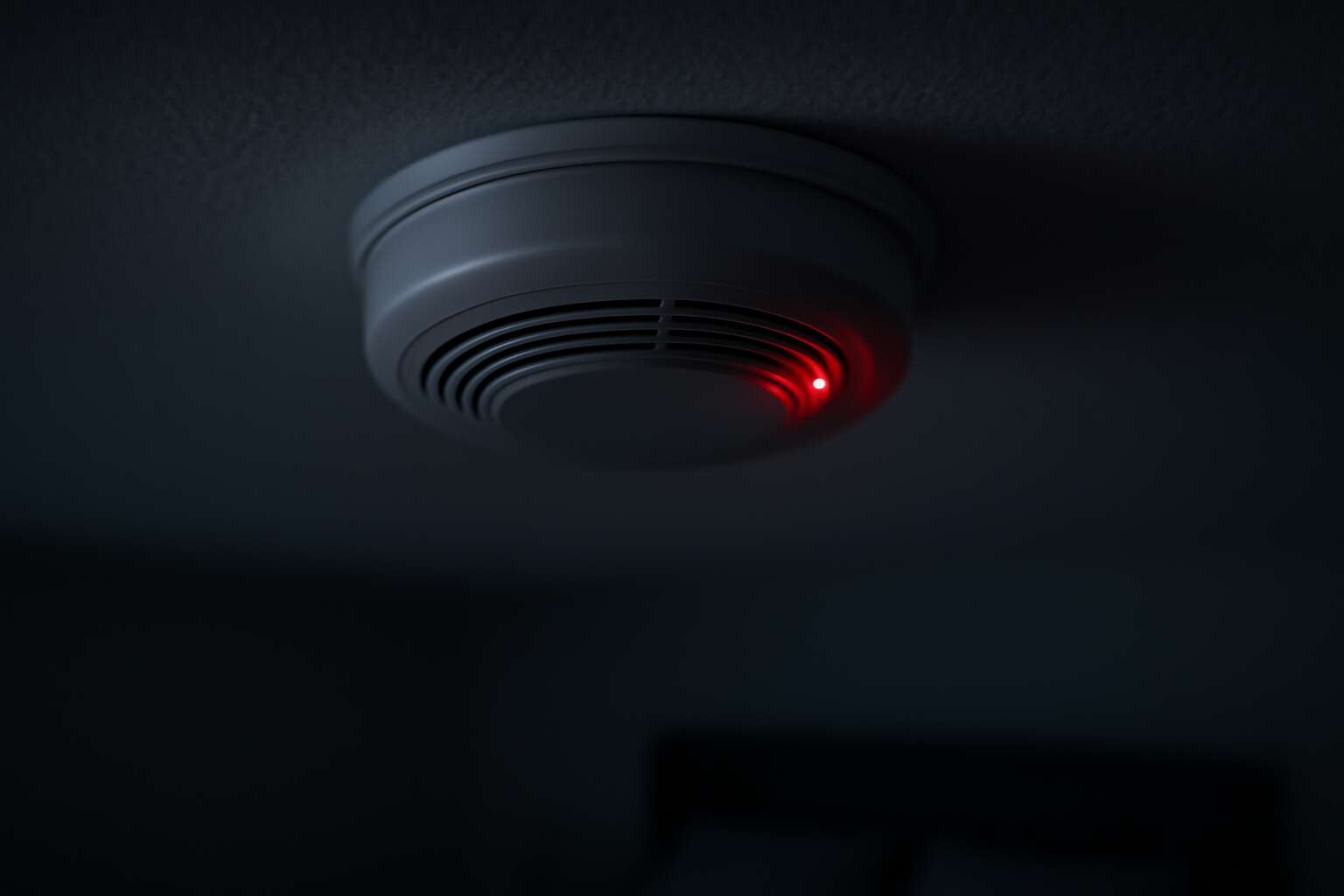
Understanding Nighttime Smoke Alarm Triggers
Common Causes of Nighttime Alarms
South African homes sometimes hear a moment when a smoke detector going off randomly at night jolts the quiet. More than half of nighttime alarms turn out to be non-emergency, a reminder that context matters. The triggers live in air and heat, not always in danger, and the night makes everything feel a little more sensitive. It’s a suspenseful hush we’ve all felt at least once!
To understand, consider these common culprits:
- Humidity or steam from showers and cooking
- Dust, cobwebs, or debris near the sensor
- Insects or small critters inside the unit
- Aging sensors or low battery indicators
The pattern is less a flame and more a whispered riddle: environmental quirks that masquerade as alarms, especially in quiet, chilly nights across cities in South Africa.
Dust, Debris, and Insects as Triggers
Night-time quiet in South Africa can be deceptive. The smoke detector going off randomly at night isn’t always a sign of danger; more often it’s environmental quirks playing tricks on sensitive sensors, especially when a cool breeze carries dust through living spaces.
Dust particles, stray cobwebs, or debris near the sensor can register as smoke, while a tiny insect inside the unit can set off a higher-pitched wake-up call. That’s a common night-time quirk! The combination of humidity and cooler air at night can also shift sensor readings just enough to misfire.
Night conditions turn ordinary particles into a nightly test of patience for households and building managers alike, turning a routine alarm into a mysterious quiet-killing riddle.
Electrical Battery Issues and Wiring Failures
In South Africa, the midnight lullaby of the home is less glamorous than it sounds. A smoke detector going off randomly at night is more likely a battery or wiring quirk than a stealthy blaze—and it loves loud moments when the fridge hums and load-shedding bites the voltage.
Electrical Battery Issues: The battery is the unit’s heart, and a tired one misreads the room. Symptoms creep in as the air cools and power flickers, producing phantom alarms rather than a true alert.
- Low battery chirps that don’t match actual charge
- Voltage dips during outages
- Intermittent, unwelcome beeps
Wiring Failures: Loose connections, frayed cables, or degraded neutrals can inject noise into the circuit, nudging the sensor to misinterpret harmless air movement as smoke.
Environmental Factors That Set Off Detectors at Night
The night keeps its secrets, a South African home murmurs, and some secrets wake you with a whisper. A smoke detector going off randomly at night can feel less like danger and more like a reminder of the room’s quiet chemistry. I know that sound well.
Environmental factors at rest are late-night composers. Temperature swings, coastal humidity, and the way drafts sweep through hallways can nudge a detector toward misreadings. Consider these subtle conductors:
- Imperfect ventilation or drafts from open windows
- Steam from showers or boiling water
- Aerosols from cooking or room fragrances
These gentle provocations remind us that safety devices measure air with fragile precision, especially when dreams push against the clock of a quiet suburb.
Practical Troubleshooting for Nighttime Alarms
Check the Battery and Power Source
Night falls, and the quiet of a South African home can be pierced by a single, stubborn chirp. A pattern emerges: smoke detector going off randomly at night is often less a siren of danger than a symptom of aging or a temperamental power connection—an uninvited reminder to listen to the system with care.
The battery and power source deserve scrutiny. A fading battery loses hold when the house cools or the circuitry settles, and voltage quirks can trigger alarms without smoke. In hardwired setups, loose connections behind the unit can masquerade as a crisis. Instead of panic, there is room for patient inspection, to gauge whether the detector still beats reliably.
In the arc of home safety, consistent checks and maintenance keep the night’s peace intact—turn the alarm into a trusted sentinel rather than a source of mystery.
Test the Detector and Reset Procedures
“The quiet South African night hums with shadows, until one sharp chirp shatters it—proof that vigilance never rests.” For many homeowners, the smoke detector going off randomly at night becomes less a siren of danger than a stubborn nudge to check the system’s pulse and honor its quiet covenant with safety.
To test the detector and reset procedures without drama, keep these quick steps in mind:
- Press and hold the test button until the unit sounds clearly, confirming it is responsive.
- After a nighttime alarm, silence the chirp with the hush feature if available, then reset the circuitry and test again.
With calm, the night returns to stillness.
Inspect for Dust, Cobwebs, and Insects
In a quiet South African home, the night can feel like a vast canvas waiting for a spark. If you notice the smoke detector going off randomly at night, inspect for dust, cobwebs, and insects that might haunt the sensing chamber.
- Gently dust the sensor with a soft brush or compressed air to clear fine debris.
- Remove visible cobwebs from around the unit and its vents.
- Check for tiny insects near the intake and reseal gaps where they may gather.
As you restore calm, the unit breathes a quieter vigil, and the night resumes its careful watch over your home.
Evaluate Placement and Interconnects
Night in a curious South African home can feel like velvet darkness waiting for a spark. When a smoke detector going off randomly at night shatters that hush, you weigh the source. Evaluate placement: is the unit by a vent, near a kitchen air path, or in a draft from a window? A well-sited detector shares the midnight rhythm rather than waking it.
Consider these factors that shape interconnects and airflow:
- Interconnection health across rooms and floors
- Airflow paths that can ferry disturbances toward sensors
- Proximity to heat sources, vents, or drafts that skew readings
With these reflections, the night keeps its watch, and the home remains a safe harbour.
Preventing Random Night Alarms
Regular Cleaning and Maintenance Schedule
<p Night’s quiet can feel fragile, a breath away from discord. In South Africa, homes report that the early hours sometimes spark a chorus of alarms when humidity climbs or heaters rattle the air. The phrase 'smoke detector going off randomly at night' has become an anxious refrain among households everywhere.
A practical rhythm keeps chaos at bay: regular cleaning and maintenance.
- Cadence: establish a steady maintenance rhythm that fits your household
- Environment: keep detectors in clean, well-ventilated spaces with minimal dust
- Support: rely on annual professional inspections for interconnects and wiring
Beyond cleaning, a formal cadence supports reliability and calm nights across a South African home. Consider battery health, interconnect checks, and a professional review if any irregularities emerge.
With care, the night’s quiet endures, and the alarm’s chorus remains a nightmare avoided by thoughtful stewardship.
Replace Old Detectors and Batteries Timely
Night alarms rattling the hush of midnight can be more than a nuisance—it’s a warning. In South Africa, the smoke detector going off randomly at night is often a sign that the hardware is tired or out of date. Such noises wake households, yet they rarely mean active smoke; they point to aging devices that deserve attention.
Preventing these unscripted wake-ups starts with a simple reality: replace old detectors and batteries timely. Even a few years of service can dull sensitivity or trigger false alarms; newer models bring smarter sensors, better power management, and fewer false chirps.
A proactive approach keeps nights peaceful and safety intact across SA homes.
Upgrade to Dual-Sensor or Photoelectric Units
Nighttime alarms can feel like a cosmic joke on a restless evening! In many SA homes, upgrading to dual-sensor or photoelectric units makes the night more predictable and sleep easier to reclaim. If you’re grappling with a smoke detector going off randomly at night, you’re not alone—older sensors misread humidity and steam as danger, turning slumber into a cautious vigil.
- Fewer nuisance alarms for steady nights
- Sharper discrimination between smoke and steam
- Better interconnectivity across rooms for SA homes
A calm, trustworthy system isn’t just a precaution; it’s a daily gesture of care for family and neighbors. Weigh sensor type, power options, and interconnectivity against your home’s realities to shape a quieter, safer night.
Minimize False Alarms with Proper Venting and Mounting
Quiet South Africa nights should cradle us in a sigh, not a siren. The moment a smoke detector going off randomly at night shatters that calm, we feel the house turning into a drama stage—airflow and steam staging a tiny rebellion.
Effective venting and thoughtful mounting transform the atmosphere: place detectors where rising humidity and cooking vapors are least likely to brush the sensor, and orient them so air currents carry smoke toward the chamber rather than away from it. In practice, this means balancing kitchen, bathroom, and living spaces so that steam or draft does not linger near an alarm’s delicate sensing chamber.
With mindful placement embracing the true rhythm of a South Africa home, sleep can return to its rightful sanctuary.
Understanding Interconnected and Smart Detectors
How Interconnected Alarms Work in Homes
Understanding Interconnected and Smart Detectors: In South Africa, homes blend open spaces with intimate corners, and interconnected alarms become a safety loom, weaving heat and smoke into one vigilant chorus. When danger whispers, the entire network rises in a swift, coordinated refrain.
How interconnected alarms work in homes: they speak across wired or wireless tendrils, sharing fault and battery gossip, and they summon every siren in unison. If you notice a smoke detector going off randomly at night, trust the ensemble yet banish lingering triggers.
- Broad coverage for open-plan layouts
- Clear, synchronized alerts across every detector
- Smart home integration and remote monitoring
This synergy turns warnings into a calm, almost musical caution, guiding families through dawns with poise.
Smart Home Devices and App Alerts
A brisk truth sits at the edge of sleep: a home with interconnected alarms can reduce response time by up to 40%. The network becomes a single, vigilant chorus, where heat, smoke, and breath share one voice—urgent, inevitable, and oddly soothing.
For households in South Africa, Understanding Interconnected and Smart Detectors means more than gadgets; it means a trusted map of danger. If a smoke detector going off randomly at night disrupts the quiet, the app and the detectors speak in chorus, delivering alerts to screens and smart devices. Smart home devices and app alerts maintain coverage across open-plan spaces with minimal latency, turning alarm into reassurance.
- Seamless cross-device alerts
- Remote monitoring via app
- Firmware over-the-air updates
That ambience of calm in the face of potential danger is the moral payoff of thoughtful engineering; human lives and shared spaces gain poise as electronics harmonize.
CO Detectors and Dual-Sensor Configurations
Night folds over the rooms, and then a single discordant chirp—an alert that refuses to sleep. A smoke detector going off randomly at night is rarely a summons to panic; it is a prompt for the mind to trust the system that guards the threshold between waking and dream. I listen for the hush that follows, the assurance that technology can be quietly loyal.
CO detectors and dual-sensor configurations approach danger with a patient arithmetic: one sensor confirms what another suspects, smoothing the random echoes that plague old detectors—an issue familiar in South Africa’s kitchens and lounges.
Within the modern home, dual-sensor designs blend photoelectric and electrochemical sensing to discriminate true threats from benign triggers. The following features matter:
- Cross-checking signals reduces false alarms in open-plan spaces.
- Continual monitoring supports rapid, accurate alerts across devices.
Professional Assessment for Complex Systems
Night slips through South Africa’s suburbs, and a single discordant chirp tests the nerve. A smoke detector going off randomly at night isn’t a panic call so much as a prompt to assess the system you rely on to guard sleep.
Understanding interconnected and smart detectors requires a professional assessment for complex systems. It’s about how devices share signals, how alerts cascade through a home, and how firmware and privacy settings hold steady when pressure mounts—especially in open-plan SA homes where zones blur.
- Network redundancy and fault isolation across zones
- Firmware versioning and security patching
- Environment-specific calibration to reduce false alarms
With the right checks, the night remains a quiet constant rather than a volatile test of technology.
Safety First: Real Fire Indicators vs False Alarms
Recognizing Real Smoke and Fire Signals
Night should cradle Cape towns in quiet, but a smoke detector going off randomly at night jolts you from sleep and rattles nerves. In South Africa, these unearned alarms haunt households, turning safety into a chorus with no obvious source. A veteran firefighter once whispered, “alarm fatigue is a real risk—your brain learns to ignore the warning if no danger feels present,” and that truth sticks with me as I listen for the difference between fear and fact.
When a sound erupts, a quick glance around the room can separate real from routine:
- Visible smoke or a burning odor
- Unusual heat buildup or hot spots
- Alarm behavior that changes across rooms or with ventilation
In the end, safety rests on reading the setting and trusting your instincts in a South African home. Real signals demand attention, while ordinary nuisance noise fades as the night wears on.
Immediate Actions if a Real Fire is Suspected
Safety First: Real Fire Indicators vs False Alarms. Night in a South African home can be a velvet blackout, until the alarm shatters it with a metallic cry. The stillness can tempt complacency, yet the true measure of courage is in how you respond when the room seems still but the air hums with warning.
If you hear a smoke detector going off randomly at night, treat it with the gravity of a spark in dry grass and act.
- Evacuate immediately with all occupants, staying low if smoke lingers in the corridor.
- Close doors behind you to slow the spread and cover any gaps to reduce drafts.
- Call emergency services from a safe location once you are outside.
In the chorus of beeps, let instinct be your compass; the night can forgive hesitation, but fire cannot.
Verification Steps Without Endangering Yourself
Night in a South African home can be a velvet blackout until a smoke detector going off randomly at night shatters the hush with a metallic cry. “Better to wake up from a false alarm than sleep through a real fire,” a stubborn truth we carry into the dim hallway.
Consider these calm checks, designed to avoid dramatics or harm:
- From a safe location, observe for actual smoke or heat signatures rather than rushing into the room.
- Note whether other detectors in the house participate in the chorus—a chorus often means something real, or a clever fake.
- If uncertainty persists, contact emergency services from outside the structure rather than re-entering a potentially hazardous area.
Let measured reasoning guide you; courage is prudent, and hesitation can be the right ally when the night is quiet again.
Emergency Planning and Drills for Your Household
Night-time alarms cut the silence with a cruel, metallic cry, and a shock lands hard. In South Africa, the smoke detector going off randomly at night is all too common—and the instinct to bolt is strong. Yet calm assessment often reveals the truth: real fire versus a stubborn nuisance. The right response hinges on staying composed and reading the room before reacting.
Real fire indicators vs false alarms: from a safe spot, check for active smoke or heat, and listen for patterns among interconnected detectors. If smoke or heat is evident, or a distinct burning odor lingers, treat it as real. Otherwise, a nuisance can be confirmed and handled calmly.
- Active smoke or heat signatures from a safe location
- Interconnected alarms showing a consistent pattern
- Odor or visible signs of burning material
Emergency Planning and Drills for Your Household: Establish simple drills, identify exit routes, and designate a safe meeting point outside. Practice twice a year with all household members, assign responsibilities, and keep emergency numbers visible near the exit. Regular rehearsals build muscle memory, reducing hesitation when the night falls silent again.


0 Comments