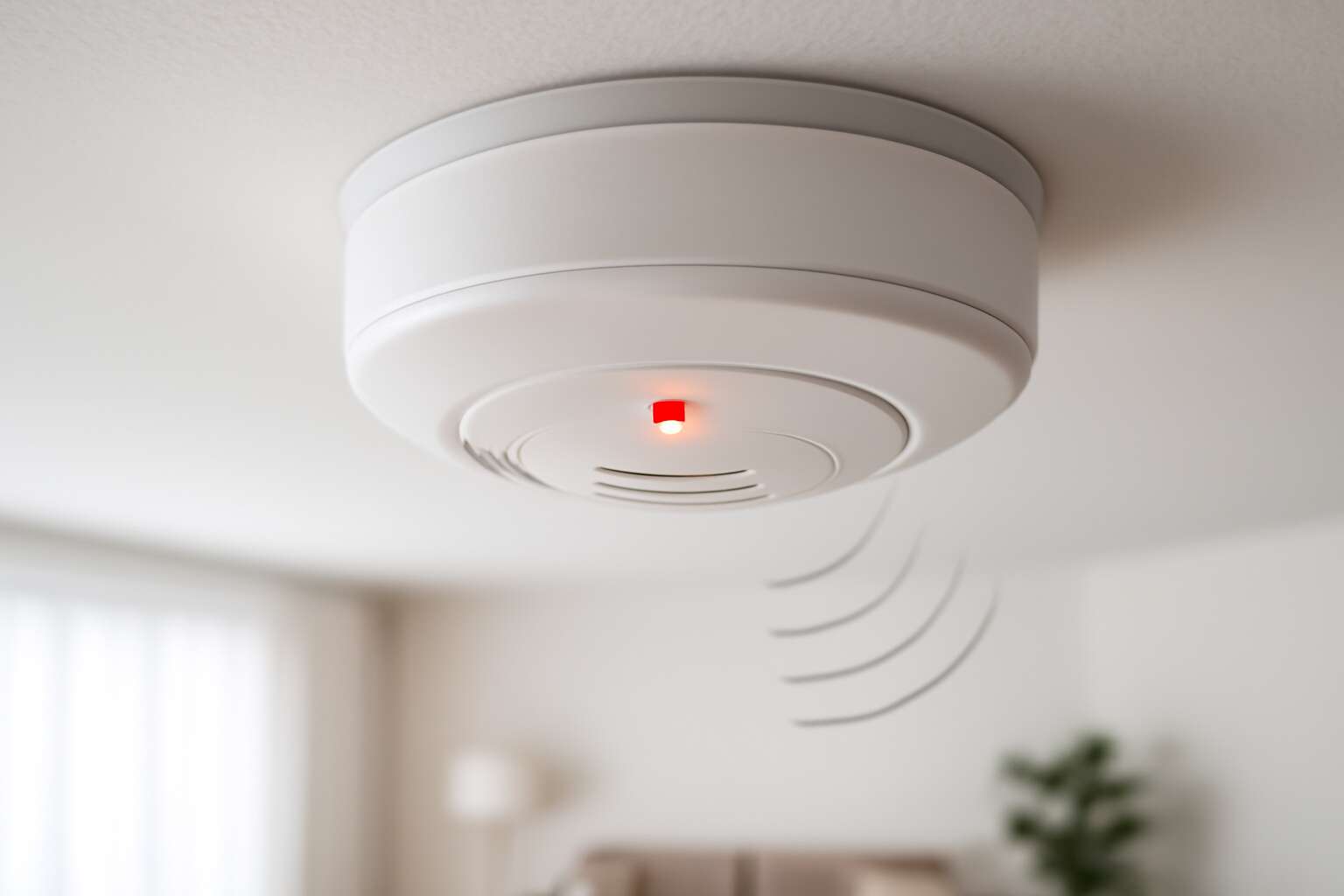
Understanding smoke detector beeps and indicators
Common beep patterns and their meanings
In the heart of a South African home, a lone beeping note can feel like a tiny lighthouse. A compelling voice from the ceiling—“smoke detector keeps beeping”—tells a story of safety and vigilance that reaches beyond the mundane.
Understanding smoke detector beeps and indicators reveals patterns that hint at what’s happening inside. Most detectors use sound and a blinking light to communicate, and the rhythm of the beeps often carries meaning that a quick glance can decode.
- One chirp every 60 seconds is commonly tied to a low battery in many detectors.
- Three quick beeps in succession often point to a fault or end-of-life warning.
- A continuous alarm with a flashing light usually signals an active fire condition.
These cues weave a quiet magic, guiding households through the night with a subtle, protective glow.
Beeping versus chirping versus alarm sounds explained
What to do when you hear multiple beeps
South African households battle storms and power glitches, but the loudest signal in many homes is a stubborn beep from a small guardian. A functioning smoke detector can cut the risk of fatal injury by roughly half, so when the smoke detector keeps beeping, it won’t be dismissed as noise—it deserves attention.
Understanding smoke detector beeps and indicators means decoding a concise language. Beeps aren’t uniform across brands; they ride with LED patterns and panel icons, forming a narrative about the device’s state and the surrounding air. The cues—whether a gentle blink or a rapid chirp—speak to conditions, not merely volume.
- A blinking LED paired with beeps
- An icon suggesting battery life or end-of-life
- Environmental cues like dust or humidity affecting readings
Ultimately, the beeps tell a living story of a space, inviting quiet, ongoing awareness without panic.
How interconnected alarms share beeps and why it matters
In South Africa, a functioning smoke detector can cut the risk of fatal injury by roughly half, and its call isn’t chaos—it’s a coded guardian. When the smoke detector keeps beeping, it isn’t noise to ignore; it’s a signal demanding listening.
Beeps ride with LED patterns and panel icons, each cadence signaling state. A blinking LED paired with a chorus of tones can hint at battery life, end-of-life, or environmental quirks like dust.
- Shared beeps across units signal a system-wide condition
- Battery icons vary by brand but warn when low
- Dust or humidity can influence readings
Interconnected alarms weave a single narrative; their harmonized beeps travel room to room, reframing a quiet household into a vigilant space where awareness outlasts panic.
Troubleshooting common beep-causes and fixes
Low battery signals and replacement steps
That nagging rhythm, the smoke detector keeps beeping, isn’t random noise—it’s a message your home is sending. In South African homes, that sound can pierce the quiet and demand a closer listen. It invites calm, not panic, and asks for attention, not resignation.
When a beep feels steady and low in tone, it often signals the battery or the device’s age. These clues are less about alarm and more about reliability—an insistence that the space you live in deserves safeguarding, not complacency!
In such moments, consider these factors before any decision about replacement:
- The battery status and type—many units rely on the right chemistry.
- Power supply and placement—hardwired versus interconnected sensors can shape beeping patterns.
- Age of the detector—older models often warrant attention for continued reliability.
If the pattern persists, consult the manual or a safety professional.
Dust, dirt, and sensor obstruction cleanup tips
That stubborn beep isn’t a prank—it’s your home’s pulse check. In South African homes, the smoke detector keeps beeping with a message you shouldn’t ignore, even if it wakes you from sleep. It’s not panic fuel; it’s a reliability nudge from a device guarding your space.
Dust, dirt, and sensor obstruction are common culprits. A veil of dust on vents or a cobweb near the sensing chamber can alter responsiveness and drum up quiet beeps that stand out in a quiet morning.
Humidity and steam from cooking, showers, or cleaning can fog the sensor too. Avoid exposing the unit to liquids or aggressive cleaners; subtle handling and keeping it dry helps preserve accuracy.
If the pattern persists, consult the manual or a safety professional—the beep may be telling you more than the weather forecast. The smoke detector keeps beeping signal deserves careful attention in busy South African homes.
Humidity, steam, and temperature-related beeps
Beep, beep—your home is talking. Humidity, steam, and temperature swings can turn a detector into a restless sentinel. When kitchen steam drifts into the sensing chamber, the unit may emit a beep as it recalibrates. If you hear the smoke detector keeps beeping cue, it’s not a prank—it’s a nudge you should heed.
These beeps aren’t warnings of immediate danger; they’re misreads the device uses to guard you under less dramatic conditions. They often arise from moisture lingering near the sensing chamber, or from a sudden temperature shift that unsettles the sensor’s rhythm. In a SA home, the distinction between nuisance beeps and real alarms matters, but the remedy isn’t dramatic—it’s about preserving the detector’s surroundings and avoiding temporary heat or steam surges.
That pattern should prompt a consult to the manual or a safety professional—the phrase smoke detector keeps beeping is a reliability nudge in busy South African homes.
Expired or faulty units and replacement guidance
Beep, beep—it’s not always a siren. In South African homes, nuisance beeps outnumber true alarms, turning the phrase smoke detector keeps beeping into a daily refrain. That sound is a gentle nudge, inviting us to read the room—age of the unit, its placement, and the quiet rhythm of its sensing chamber.
Common culprits, when you hear that message, sit outside immediate danger. They reflect sensor drift, dust, or power quirks rather than a blaze. Consider these conditions:
- Expired or drifted sensors approaching end-of-life
- Dust, cobwebs, or grime that obscure the sensing chamber
- Power-supply quirks in interconnected alarms
Expired or faulty units should be replaced rather than repaired; this is where replacement guidance comes in. Look for expiry dates on the back, confirm SA compliance standards, and select modern models designed for interconnectivity. If the beep persists after replacement, a safety professional can help ensure the system remains reliable, reminding us that the phrase smoke detector keeps beeping can be a call to action rather than a nuisance.
Immediate safety actions when alarms beep
Silencing a beeping detector safely and correctly
That unexpected, staccato beep cutting through South Africa’s evening air can flip a living room into a scene of urgent attention. When a smoke detector keeps beeping, the instinct to act with calm is your best shield. You listen for patterns, check for obvious signs of danger from a distance, and weigh whether the issue is a nuisance or a true alert.
- Pause to ensure everyone is accounted for and the path to safety is clear.
- Observe whether other detectors in the home join the chorus, which can indicate a system-wide fault or smoke.
- Refer to the unit’s manual for safe silencing and reset guidance; avoid improvising with makeshift fixes.
In a South African home, a measured response protects both people and property and keeps the moment from spiraling into panic.
Deciding between temporary disarm and permanent power-off
In the hush of a South African evening, that smoke detector keeps beeping can cut through the room like a jarring note. I take a breath and listen for rhythm—does it pulse, stutter, or cascade with a wail? A calm, curious mind becomes armor, turning a tense moment into a puzzle to solve and share safety with everyone under the roof.
- Other detectors joining in suggests a system-wide issue or a real smoky moment.
- A safe distance helps you see if there is visible danger or just a nuisance.
- Environmental factors such as dust, humidity, or temperature may masquerade as alarm signals.
Between temporary disarm and permanent power-off lies a careful calculus of risk and reassurance. If the space tests clean and no smoke lingers, trust the device to regain its quiet. If risk remains, safety priorities rise, and the beeps become a chorus you answer with vigilance and care.
Evacuation and contacting emergency services when needed
That small, stubborn tone—the smoke detector keeps beeping—can slice through the South African dusk like a jarring note from a weathered radio. In a rural home, the beeper becomes a second heartbeat, urging us to listen with intention. A calm mind turns alarm into a puzzle we solve with care, protecting everyone under the tin roof.
Immediate safety actions reveal themselves in the moment. Evacuation and contacting emergency services when needed are the disciplined responses that keep families whole. The sound may echo between corrugated walls, but steady action steadies the pulse and preserves tomorrow.
Trust your senses, assess from a safe distance, and lean on others in the house. In that shared breath, safety becomes a quiet promise you honor together.
Post-beep safety checks after maintenance and reset
That stubborn beep slices through a South African dusk under a tin roof, a reminder to stay present. When alarms sound, keep calm and act. From a safe distance, scan for real signs of danger—smoke at floor level, heat on a wall, or a sharp chemical scent. If danger is real, evacuate immediately by the nearest exit, helping little ones and elders along the way. Contact emergency services once you’re safe, and meet at the agreed spot outside. If the smoke detector keeps beeping without a clear threat, switch to post-beep checks after maintenance.
Post-beep safety checks after maintenance and reset include:
- Confirm the power source and battery status are stable.
- Replace or recharge batteries as needed.
- Reset exactly as the manufacturer directs.
- Test the device using the built-in test button and ensure other detectors respond.
- Check for dust or obstructions blocking sensors; clean gently if required.
- Log the maintenance date and schedule the next check.
Creating a safe plan for households with elderly or pets
“Safety is a habit,” I remind myself, and when the smoke detector keeps beeping in the quiet of a South African evening, that habit is tested. I know that sound can rattle, so stay calm, breathe, and give yourself a moment to size up the space. Move toward a planned exit, keeping elders and pets within your line of sight, and scan the air for real danger rather than the nuisance of the sound!
For households with elderly or pets, craft a simple, practiced plan that respects pace and needs. Quick steps can reshape a scare into a shared, confident response:
- Pre-assign a caregiver or helper to assist elders or pets
- Identify a primary exit and two backups
- Keep a go-bag with medications and pet supplies in a central place
Maintenance strategies to prevent false beeps
Regular testing cadence and how to test properly
Across South Africa, about 70% of nuisance beeps are preventable with a simple maintenance rhythm. A stubborn smoke detector keeps beeping isn’t a fault—it’s a cue to check dust, humidity, and placement. Clean, dry surroundings and a sensible mounting height often stop the beep before it starts.
Adopt a regular testing cadence that suits your home: a quick weekly test, a more thorough monthly check, and an annual professional inspection. To test properly, press the test button and listen for a steady alarm; avoid testing near kitchens or bathrooms.
Humidity swings and aging hardware invite stray beeps, especially in SA’s climate. Keep detectors clean and monitor expiry dates; when life ratings pass, replacement helps. With routine care, the smoke detector keeps beeping becomes a rare event!
Cleaning routines for different detector types
A smoke detector keeps beeping, and the room tightens with the sound. In South Africa, a steady maintenance rhythm reduces nuisance beeps, turning alarm hours into quiet confidence. As one veteran tech puts it, “Maintenance quiets the noise and keeps the real signals clear.”
Maintenance strategies to prevent false beeps revolve around steady vigilance. Embrace a simple cadence: weekly quick checks, monthly deeper looks, and an annual professional inspection. Keep the area free of obstruction and ensure the device remains securely mounted.
Cleaning routines differ by detector type, but the aim is consistent: minimize dust and moisture exposure in sensing zones.
- Photoelectric: gentle, dry dust management helps preserve sensing accuracy.
- Ionization: minimize handling and avoid liquids near the sensor.
- Dual-sensor: apply the same respect to both sensing technologies to maintain reliability.
With this mindset, the smoke detector keeps beeping becomes the rare exception rather than the daily soundtrack.
Battery replacement schedules and alternatives
In the dim hallways of a South African home, a solitary chirp can crack the calm. A veteran tech says maintenance quiets the noise and keeps the real signals clear. When power cycles or batteries falter, the smoke detector keeps beeping—an urgent nudge we’d be wise to heed.
Battery replacement schedules and alternatives shape a calmer wakefulness.
- Removable batteries with a yearly replacement window to prevent drift into nuisance beeps.
- Sealed 10-year detectors that minimize battery handling and related beeps.
- Models with a reliable battery backup when mains power is present, reducing unexpected chirps after blackouts.
Whether you choose a traditional battery model or a modern sealed unit, aligning with a steady rhythm keeps alarms focused on real danger rather than invasive interruptions.
Choosing the right detector and ensuring compatibility
Across South African homes, a simple maintenance rhythm turns a nagging beep into a reliable shield. When dust is kept clear and batteries are paired with the right unit, the smoke detector keeps beeping only for real danger. Start by choosing detectors that fit your space and align with your mains and back-up power.
To prevent false alarms, focus on compatibility and long-lasting design. Standardize detectors so compatibility gaps don’t trigger nuisance issues, and consider sealed 10-year models that minimize handling and unexpected beeps. When alarms interconnect, ensure they share the same technology for coordinated alerts, making maintenance easier across bedrooms, kitchens, and living areas.
Maintenance isn’t just about noise; it’s about harmony in a living space. By keeping detectors compatible and aligned with your home’s power and interconnections, you reduce false beeps and keep alarms ready when the room fogs or a flame flickers.
End-of-life timelines and proper disposal
South African homes deserve a shield that remains steady when the air stirs and life rushes by. When a detector starts beeping for reasons other than danger, it can feel like a cryptic warning. The phrase “smoke detector keeps beeping” should signal reassurance, not alarm. A disciplined maintenance rhythm—gentle dusting, clear sensor paths, and harmonious power across units—turns the nuisance into a quiet, reliable guardianship.
- Dust-free sensing paths and unobstructed vents
- Unified power and interconnect standards for consistency
- End-of-life planning and disposal aligned with SA guidelines
End-of-life timelines and proper disposal become part of responsible home stewardship. Many detectors last around 8 to 10 years, with sealed 10-year options available. When the horizon nears, rely on accredited disposal channels to protect households and the environment while keeping maintenance calm and dignified.
Installation basics and choosing detectors for your home
Ionization, photoelectric, and dual-sensor differences
Across South Africa, a single beep in the night can reveal more than fear — it’s warning you that air-safety isn’t optional. Fire services report that early warning dramatically lowers casualties, making detector choices a life‑level decision for every family.
Installation basics hinge on coverage, power, and compatibility. Ceiling mounting, maintaining distance from vents and kitchens, and an interconnected network help create reliable alerts that minimize false signals while preserving speed.
- Ionization: fast to flaming fires, often more responsive to particles that signal a blaze.
- Photoelectric: excels with smoky, smoldering fires and is less prone to nuisance triggers from steam.
- Dual-sensor: blends both modes for balanced performance and fewer false alarms.
Choose detectors that suit your home’s layout and existing systems; look for interoperability and proven reliability. If a smoke detector keeps beeping, the signal is trying to tell you something vital about the air you breathe.
Placement guidelines for bedrooms kitchens and living areas
Across South Africa, a single beep in the night can be the difference between a family nest and tragedy. That is the quiet power of air-safety. If a smoke detector keeps beeping, it’s not noise—it’s a message from the air you breathe, urging vigilance.
Installation basics hinge on coverage, power, and compatibility. Ceiling mounting, keeping detectors clear of vents and kitchens, and a network of alarms contribute to reliable alerts. When it happens, a smoke detector keeps beeping at the right moments, guiding you toward safety.
Placement matters across key rooms in a home.
- Bedrooms: near sleeping areas for fast alerts
- Living areas: central coverage for family safety
- Kitchens: placement away from steam to reduce nuisance beeps
Choose detectors that suit your home’s layout and existing systems; look for interoperability and proven reliability. A calm, well-considered setup across bedrooms, living areas, and kitchens can transform everyday safety.
Understanding certifications and alarm ratings
Installation basics hinge on coverage, power, and compatibility. Ceiling mounting is standard; place detectors high away from vents, kitchens, and bathrooms to limit nuisance beeps. A network of interlinked alarms improves reliability. When a smoke detector keeps beeping at odd hours, it’s a signal about the air you breathe, not a sign of malice. A deliberate setup across bedrooms, living areas, and kitchens pays real safety dividends.
Choosing detectors means reading certifications and alarm ratings as you would a contract. In SA, seek SABS-approved units and international marks such as UL-listed and EN 14604, plus clear interconnectivity. A sealed 10-year battery and straightforward maintenance further distinguish quality models. Look for the following indicators:
- SABS approval and SA standards
- UL-listed or EN 14604
- 10-year sealed battery
- Interconnectivity with other alarms
Smart features integration with home systems
Smart features are more than gadgets; they amplify safety. For installation basics, mount detectors on ceilings high enough to avoid stray kitchen vapours, yet accessible for testing. A network of interlinked alarms stitched into bedrooms, living areas, and kitchens keeps the system responsive and resilient. When a smoke detector keeps beeping, it’s a message from the air you breathe, not a sign of malice.
Choosing detectors is a contract with your home: look for certifications and reliable ratings. In SA, aim for SABS-approved units with UL-listed or EN 14604 marks and clear interconnectivity, plus a 10-year sealed battery. A straightforward maintenance routine and good compatibility with your existing smart features deliver enduring safety.
- SABS approval and SA standards
- UL-listed or EN 14604
- 10-year sealed battery
- Interconnectivity with other alarms
Maintenance expectations after installation
In South Africa, mount detectors on ceilings where air flows freely but away from kitchen vapour, yet keep them accessible for testing. An interlinked network across bedrooms, living areas, and kitchens forms a resilient shield. Look for SABS-approved units with UL-listed or EN 14604 marks and a 10-year sealed battery.
- SABS-approved
- Interconnectivity with other alarms
- 10-year sealed battery
- UL-listed or EN 14604
Maintenance expectations after installation emphasize a routine cadence and occasional professional servicing to preserve reliability. The following criteria help safeguard ongoing performance:
A smoke detector keeps beeping—it’s air’s message, not malice, and it invites a calm, considered response.


0 Comments